Carbon Steel Weld Fittings Why They Are a Top Choice
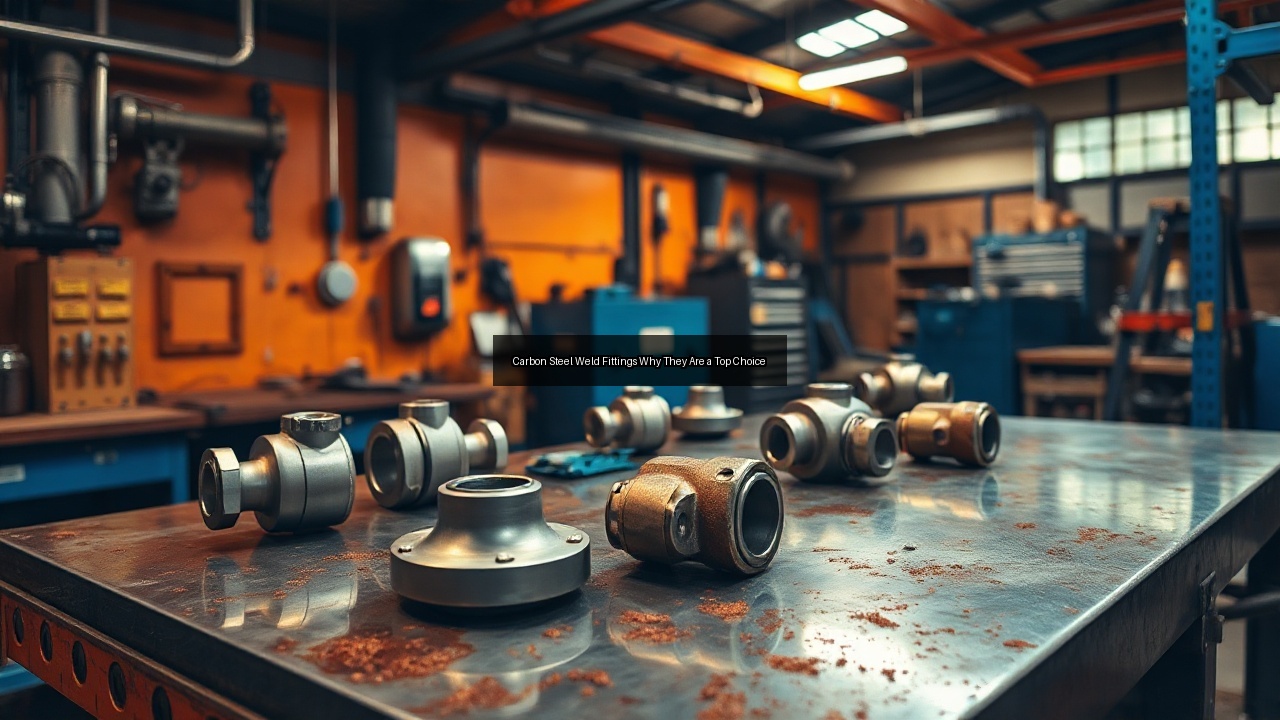
Understanding Carbon Steel Weld Fittings
What Are Carbon Steel Weld Fittings?
Carbon steel weld fittings serve as crucial components in piping systems, allowing for the secure connection of various pipes through welding. These fittings, made from a blend of iron and carbon, provide essential structural support and flexibility in diverse applications. The welding process creates a strong, permanent bond that enhances the overall integrity of the piping system. Their adaptability makes carbon steel weld fittings a preferred choice in industries like oil and gas, where reliability under demanding conditions is paramount. By employing high-quality carbon steel, manufacturers ensure that these fittings can withstand both high pressure and temperature fluctuations, essential for maintaining the safety and efficiency of piping networks.
Types of Carbon Steel Weld Fittings
Various types of carbon steel weld fittings accommodate different piping requirements. Common types include butt weld fittings, socket weld fittings, and pipe tees. Butt weld fittings provide a seamless connection between pipes, ideal for high-pressure systems. Socket weld fittings, on the other hand, allow for easier installation and are often used in smaller diameter pipes where space is limited. Pipe tees enable the branching of pipelines, facilitating the flow of fluids in multiple directions. Other variations include reducers, elbows, and flanges, each designed to connect pipes of differing diameters or alter the direction of flow. Understanding these types helps in selecting the right fitting for specific applications, ensuring optimal performance and longevity of the welds.
Key Components: Pressure, Temperature, and Dimensions
When working with carbon steel weld fittings, understanding the key components—pressure, temperature, and dimensions—is vital for ensuring compatibility and safety. Pressure ratings specify the maximum pressure the fitting can withstand without failing. These ratings vary based on the fitting type and the material specifications. Temperature considerations also play a critical role; fittings need to perform effectively under both high and low temperatures. Dimensions are equally important, as they dictate the fitting's compatibility with existing pipes and systems. Proper consideration of these factors leads to successful installation and reliable operation, reducing the risk of leaks or failures in piping systems.
Advantages of Using Carbon Steel Weld Fittings
Cost-Effectiveness in Various Applications
Carbon steel weld fittings offer a significant cost advantage in comparison to other materials. Their affordability makes them a popular choice for large-scale projects, especially in industries like oil and gas, where budget constraints often dictate material selection. The initial investment in carbon steel fittings typically yields long-term savings due to their durability and low maintenance requirements. Compared to alternatives like stainless steel, carbon steel weld fittings provide similar functionality at a fraction of the cost. Additionally, their widespread availability and ease of sourcing contribute to reducing overall project expenses, making them a pragmatic choice for contractors and engineers alike.
Durability and Strength in High-Pressure Environments
The durability of carbon steel weld fittings makes them exceptionally suited for high-pressure environments. These fittings can withstand extreme conditions, including high temperatures and significant pressure fluctuations, without compromising their structural integrity. The welding process creates a robust bond that enhances strength, ensuring that the fittings remain securely attached to the pipes under stress. This characteristic is particularly critical in the oil and gas sector, where any failure can lead to catastrophic consequences. Manufacturers often treat carbon steel fittings with protective coatings to prevent corrosion, further extending their lifespan and reliability in harsh conditions, solidifying their reputation as a dependable choice for demanding applications.
Versatility in Oil and Gas Industries
In the oil and gas industries, carbon steel weld fittings exhibit remarkable versatility. They accommodate various piping configurations, from simple connections to complex systems involving multiple diameters and flow directions. The ability to adapt to different applications, including refinery systems, pipeline transportation, and drilling operations, underscores their importance in the sector. Fittings like pipe tees and reducers facilitate efficient fluid movement, while flanges allow easy assembly and disassembly of piping systems for maintenance. This versatility not only enhances operational efficiency but also ensures that the systems remain flexible to accommodate future expansions or modifications, making carbon steel weld fittings an indispensable component in oil and gas infrastructure.
Common Applications of Carbon Steel Weld Fittings
Utilization in Steel Pipe Systems
Carbon steel weld fittings are integral to the construction of steel pipe systems across various industries. Their robust design supports the seamless connection of pipes, creating a unified flow path for liquids or gases. In industrial settings, such as manufacturing plants and chemical processing facilities, these fittings play a crucial role in maintaining the efficiency of piping networks. The ability to withstand high pressures and temperatures makes them suitable for transporting a wide range of materials, including water, oil, and chemicals. Their use in steel pipe systems not only aids in ensuring system integrity but also minimizes the risk of leaks, which can lead to costly downtime and safety hazards.
Role in Tubing and Pipe Connections
Carbon steel weld fittings facilitate critical tubing and pipe connections in various applications. They enable the transition between different pipe sizes and types, ensuring a smooth and efficient flow of substances. The welding process ensures that these connections remain leak-proof, which is vital in high-stakes environments such as oil refineries and natural gas processing plants. The reliability and strength of welded connections contribute to the overall safety of the piping systems, reducing the likelihood of failures that can result in environmental disasters or safety incidents. Additionally, the ease of installation associated with these fittings allows for quicker assembly and maintenance, enhancing operational efficiencies in demanding industries.
Importance in Pipe Tee and Reducers
Pipe tees and reducers are among the most common types of carbon steel weld fittings, playing a pivotal role in fluid distribution and flow management within piping systems. Pipe tees allow for the branching of pipelines, enabling fluids to flow in multiple directions efficiently. Reducers facilitate the transition between pipes of different diameters, ensuring that flow rates remain optimized. The use of these fittings in industrial applications ensures that systems can be tailored to meet specific operational needs, whether it’s in a manufacturing plant or an oil drilling site. By utilizing carbon steel for these fittings, industries benefit from the fittings' strength, cost-effectiveness, and reliability, reinforcing their importance in modern piping networks.
Choosing the Right Carbon Steel Weld Fittings
Factors to Consider: Diameter and Thread Specifications
Selecting the appropriate carbon steel weld fitting involves careful consideration of various factors, primarily diameter and thread specifications. The diameter of the fitting must match the pipes being connected to ensure a secure and leak-proof assembly. Mismatched diameters can lead to significant flow issues and potential system failures. Additionally, thread specifications play a crucial role in the fitting's compatibility with other components. Understanding the standard thread types and sizes prevalent in the industry helps in making informed decisions. Factors such as the type of fluid being transported, pressure ratings, and temperature requirements should also be evaluated to select the most suitable fittings for specific applications.
Comparative Analysis: Butt Weld vs. Socket Weld Fittings
Butt weld and socket weld fittings each offer distinct advantages that cater to different applications. Butt weld fittings create a seamless connection by welding the fitting directly to the pipe ends, resulting in a strong, durable joint ideal for high-pressure systems. This method is particularly beneficial in large diameter pipes where structural integrity is critical. Conversely, socket weld fittings allow for easier installation, as they require less precise alignment and can be used effectively in smaller diameter pipes. They are often preferred in applications where space is limited. Understanding these differences aids in selecting the right fitting type based on project requirements, ensuring optimal performance and safety.
Best Practices for Welding and Installation
Employing best practices during welding and installation of carbon steel weld fittings is essential for achieving reliable and long-lasting connections. Proper surface preparation, including cleaning and removing any contaminants, significantly enhances the quality of the weld. Using the correct welding techniques—such as maintaining appropriate heat input and ensuring proper filler material selection—ensures strong joints capable of withstanding operational stresses. Additionally, adhering to manufacturer guidelines and industry standards during installation minimizes the risk of defects. Regular inspection and maintenance of welded fittings also play a critical role in ensuring ongoing safety and operational efficiency, ultimately extending the lifespan of the piping system.