Rethinking Machining Capabilities with Advanced HMC Technology
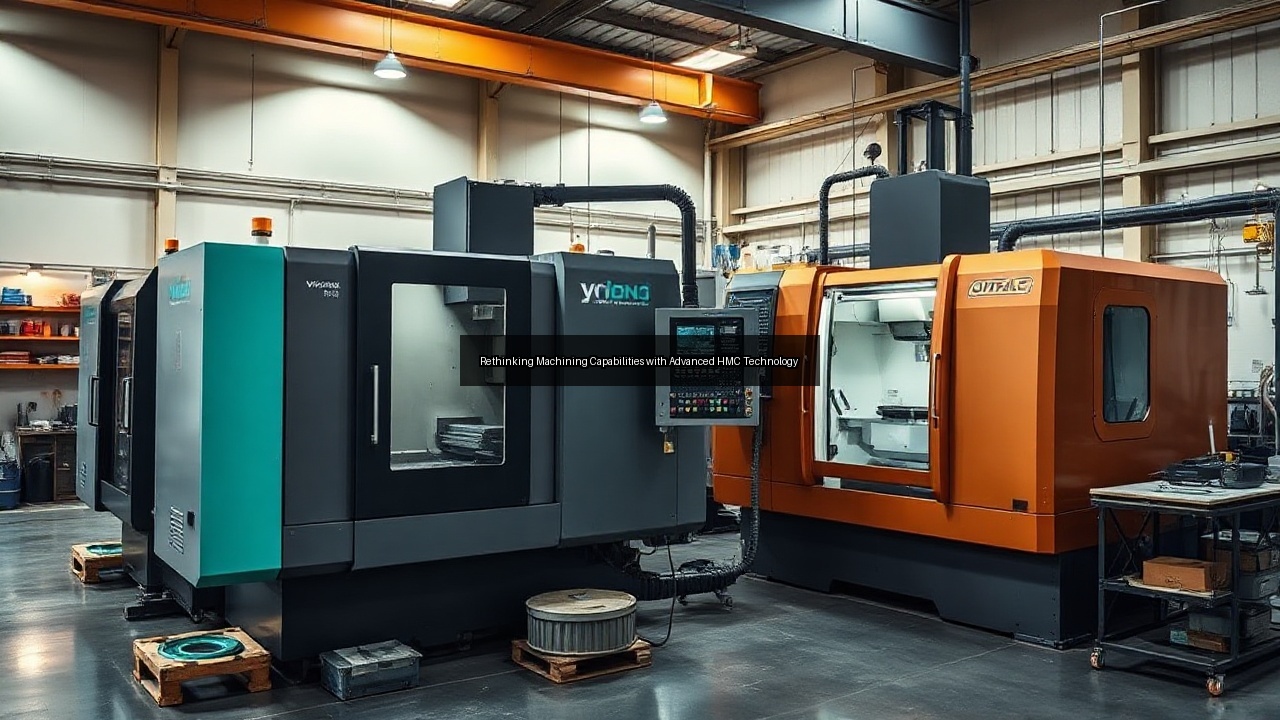
Understanding HMC Machining Technologies
What is HMC and Its Role in Machining?
Horizontal Machining Centers (HMC) represent a significant evolution in the field of machining. These advanced machining centers allow for the efficient and precise production of complex parts across various industries. HMCs utilize a horizontal spindle orientation, enabling superior chip removal and enhanced stability during the machining process. This design minimizes the risk of vibrations and improves tool life, making HMCs particularly suitable for high-volume production runs. In the realm of machining services, HMCs play a pivotal role by facilitating the manufacturing of intricate components with high accuracy, thus meeting the increasingly stringent demands of modern manufacturing.
Key Components of HMC Machining Centers
The effectiveness of HMC machining services stems from several key components that enhance their functionality. The horizontal spindle is the centerpiece of the machining center, providing the necessary torque and power for machining operations. The tool changers in HMCs allow for rapid switching between different tools, reducing downtime and optimizing productivity. Additionally, the integrated coolant systems help maintain optimal cutting temperatures, which is vital for preserving the integrity of both the tools and the workpieces. The use of advanced CNC technology in HMCs further elevates their performance, enabling precise control and automation in machining processes. Together, these components create a robust system that significantly enhances the capabilities of any machine shop.
Advantages of HMC Over Traditional Machining Methods
HMCs offer numerous advantages over traditional machining methods, primarily in terms of speed, precision, and versatility. Traditional machining techniques often require multiple setups and manual adjustments, leading to increased lead times and potential errors. HMCs, however, streamline the machining process with their ability to perform multiple operations—such as milling and drilling—within a single setup. This efficiency translates to faster turnaround times for parts manufacturing. Furthermore, the automation provided by CNC technology cnc machining services reduces the likelihood of human error, ensuring consistent quality across runs. The ability to handle larger workpieces and multiple operations simultaneously makes HMCs indispensable for modern metalworking operations.
Applications of HMC Machining Services in Various Industries
HMC in Precision Machining and Metalworking
Precision machining remains a cornerstone of manufacturing across various sectors, and HMCs play a crucial role in this domain. These machining centers excel at producing parts with tight tolerances, which is essential in industries such as aerospace, automotive, and medical devices. The ability to handle complex geometries and intricate designs makes HMCs particularly valuable in precision machining. From creating intricate engine components to manufacturing surgical instruments, HMC machining services ensure that the final products meet the highest standards of quality and accuracy. Additionally, the efficiency of HMCs in these applications significantly reduces waste, supporting a more sustainable approach to metalworking.
Utilizing HMC for Power Generation Components
The power generation sector demands exceptional precision and reliability in its components. HMC machining services cater to this need by producing critical parts such as turbine blades, housing, and generator components with unparalleled accuracy. The horizontal orientation of HMCs facilitates the machining of these larger components, ensuring that they can withstand the operational stresses encountered in power generation environments. Moreover, the repeatability offered by HMC technology ensures that every part manufactured is consistent, reducing the risk of failures in the field. As the demand for renewable energy grows, the role of HMCs in manufacturing components for wind turbines and other green technologies becomes increasingly significant.
The Role of HMC in Fabrication and Gear Manufacturing
Fabrication and gear manufacturing have embraced HMC technology to achieve higher production rates and improved quality. Gears require precise machining to ensure proper meshing and functionality, and HMCs provide the necessary precision and repeatability. The advanced milling capabilities of HMCs allow for the efficient production of various gear types, including spur gears, helical gears, and bevel gears. This technology enables machine shops to produce complex gear sets that meet stringent industry standards. Furthermore, the integration of metrology tools within HMCs allows for in-process inspection, ensuring that each gear meets the required specifications before it leaves the workshop.
Maximizing Productivity with HMC Machining
How HMC Enhances CNC Machining Capabilities
HMCs significantly enhance the capabilities of CNC machining by combining advanced technology with innovative design features. This integration allows for more efficient workflows and higher production rates. For instance, the ability to perform simultaneous operations reduces cycle time, enabling manufacturers to produce more parts in a shorter period. The precision offered by HMCs means that less time is spent on rework and adjustments, directly impacting overall productivity. Furthermore, the adaptability of HMCs to various materials—ranging from metals to composites—means that machine shops can diversify their offerings without investing in entirely new machinery.
The Impact of Advanced Technologies on Machining Efficiency
Advanced technologies continue to reshape the landscape of machining efficiency. The integration of automation, artificial intelligence, and real-time data analytics into HMCs enhances their performance and capability. Predictive maintenance features, for instance, allow machine operators to anticipate potential issues before they lead to costly downtime. Additionally, machine learning algorithms can optimize cutting parameters in real-time, ensuring the best possible outcomes for each machining operation. These advancements not only increase the efficiency of HMCs but also ensure that machining services cnc machining services remain competitive in an ever-evolving market.
Measuring Success: Metrology in HMC Machining Services
Metrology plays a vital role in the success of HMC machining services. Accurate measurement and inspection processes ensure that components meet the required specifications and tolerances. HMCs often come equipped with advanced metrology tools that allow for in-process measurement, which reduces the time spent on quality control after machining. This capability enhances overall productivity by addressing potential issues before they escalate. Furthermore, precise measurement data allows for continuous improvement in machining processes, enabling machine shops to refine their operations and improve overall output quality.
Future Trends in HMC Machining
Innovations in HMC Technologies
Innovation drives the evolution of HMC technologies, with continuous improvements enhancing their efficiency and capabilities. Emerging trends include the incorporation of augmented reality (AR) for training and troubleshooting, and the development of smart machining systems that leverage the Internet of Things (IoT). These innovations will allow for predictive analytics and real-time monitoring, setting the stage for fully autonomous machining operations in the future. As the industry moves forward, HMCs will likely feature even more advanced automation and connectivity, further increasing their value in the manufacturing process.
The Growing Demand for Made in the USA Machining Solutions
Manufacturers increasingly seek Made in the USA machining solutions, valuing quality, reliability, and support. HMC machining services produced domestically meet rigorous standards and provide quicker turnaround times. This trend supports local economies and allows for more agile manufacturing processes. As global supply chains face uncertainties, the appeal of local production becomes even more pronounced. Companies investing in domestic HMC capabilities can respond swiftly to market demands, ensuring they remain competitive in a rapidly changing landscape.
Sustainable Practices in HMC Machining Services
Sustainability emerges as a critical focus for the future of HMC machining services. Manufacturers are exploring eco-friendly practices such as optimizing material usage, recycling scrap, and reducing energy consumption. HMCs contribute to sustainability by enabling more efficient machining processes that minimize waste. Additionally, advancements in cutting tools and coolant technologies reduce the environmental impact of machining operations. As industries place greater emphasis on sustainability, HMCs equipped with environmentally friendly features will become increasingly sought after, aligning manufacturing efforts with global sustainability goals.
See Also
- The Evolution of CNC Machining Centers and HMC Technologies
- The Advantages of Made in the USA HMC Machining Services
- How to Choose the Right HMC Machining Center for Your Needs
- The Future of Metalworking How HMC Machining is Revolutionizing Production
- A Deep Dive into HMC Machining and Its Impact on Gear Fabrication